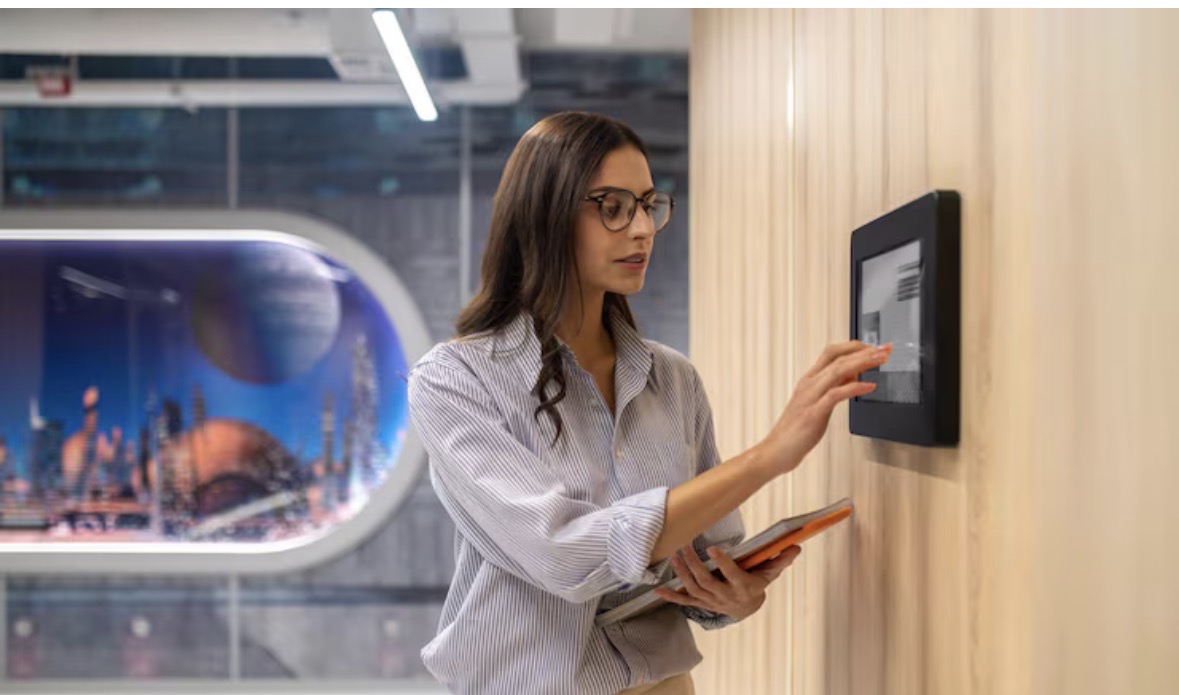
Modern commercial facilities require entry management systems that combine high-level physical security with seamless operational access. Traditional mechanical keys pose ongoing administrative challenges, including unmanaged key duplication, expensive lock rekeying procedures, and an inability to track entry activity. Transitioning to integrated commercial access control systems allows facility managers, enterprise administrators, and property owners to regulate movement into and within buildings dynamically. By combining electronic locking hardware, central management software, and user authentication credentials, commercial access control solutions protect physical assets, safeguard sensitive data, and maintain detailed audit trails across complex properties.
Fundamental Principles of Commercial Electronic Access Control
Commercial access control operates on three core principles: identification, authentication, and authorization. Unlike traditional mechanical locks that grant access to anyone holding a physical metal key, electronic systems evaluate credentials against predefined security rules stored in a central access management database before releasing a door latch.
The process begins when a user presents a credential to an exterior or interior door reader. The reader converts the credential data into a digital signal and transmits it to an intelligent control panel. The control panel evaluates whether the credential is active, whether the user possesses access permissions for that specific door, and whether the access attempt falls within authorized schedules. If all parameters are verified, the panel sends a signal to energize or de-energize an electric strike or magnetic lock, momentarily granting entry. The entire event is recorded in an audit log for security reporting.
Key Components of an Automated Access Control Network
A robust commercial security system relies on several interconnected hardware and software components working in synchronization. Understanding these components helps property managers design scalable security environments tailored to their daily operations.
Electronic Locking Mechanisms
The physical barrier of an access control system depends on specialized locking hardware integrated directly into the door assembly:
- Electric Strikes: Mounted on the door frame, electric strikes replace standard mechanical strike plates. They keep the door latched mechanically until electrical power releases the keeper, allowing free movement while keeping key cylinders intact for manual backup.
- Electromagnetic Locks (Maglocks): Composed of an electromagnet attached to the frame header and an armature plate secured to the door slab. Maglocks rely on continuous electrical current to create a powerful magnetic bond, making them ideal for high-traffic glass doors or emergency exit corridors.
- Electrified Mortise and Cylindrical Locks: Retain traditional exterior door handle designs while incorporating internal solenoids that lock or unlock the outer lever electronically, ensuring mechanical latching remains compliant with building codes.
Credential Formats and Authentication Devices
Modern security platforms utilize diverse authentication methods based on the security level required for specific zones within a facility:
- Proximity Cards and Key Fobs: RFID-based credentials that transmit unique facility codes to wall readers when brought within close proximity.
- Mobile Bluetooth and NFC Access: Uses smartphone applications to send encrypted credentials to readers, eliminating the physical costs associated with managing plastic cards.
- Biometric Authentication: Scans unique physiological traits, such as fingerprints or facial geometry, delivering high-security access for sensitive environments like server rooms or executive suites.
- Keypads and PIN Terminals: Require users to input numerical codes, often combined with proximity cards to establish dual-factor authentication protocols.
Evaluating Access Control Topologies: On-Premise vs. Cloud Platforms
Commercial properties can deploy access control systems using localized on-premise hardware or modern cloud-managed infrastructure. Choosing between these platforms depends on administrative resources, network architecture, and multi-site management requirements.
| Operational Feature | On-Premise Access Control | Cloud-Based Access Control |
| Server Infrastructure | Local physical servers located within facility server rooms. | Remote cloud servers managed by software providers. |
| System Administration | Managed via dedicated local workstations connected to the LAN. | Administered through web browsers or mobile apps from any location. |
| Software Updates | Requires manual installation of software patches by IT personnel. | Updates and security patches deploy automatically via the cloud. |
| Scalability | Adding doors or sites requires additional server licenses and local hardware. | Scales dynamically by connecting new controllers to local internet networks. |
| Initial Capital Investment | High initial hardware and dedicated server licensing costs. | Lower upfront hardware expenses with recurring monthly software subscriptions. |
Integrating Physical Access Control with Facility Security Architecture
Modern commercial security strategies rely on integrating access control systems with broader building automation and safety infrastructure. Isolating door security from other facility systems creates operational blind spots and reduces emergency responsiveness.
Video Surveillance System Integration
Linking door readers with IP surveillance cameras allows security personnel to cross-reference access attempts with real-time video footage. When a user scans a credential, the access software bookmarks the corresponding camera feed, creating a visual record of the entry event. This integration helps verify tailgating incidents, where unauthorized individuals follow an authorized user through a door without scanning credentials.
Fire Alarm System Interlocking
Building safety regulations mandate that electromagnetic locking systems release instantly during a building emergency. Commercial access control controllers link directly to fire alarm control panels via dedicated safety relays. Upon alarm activation, power to fail-safe locks cuts out automatically, allowing building occupants to evacuate through exit corridors without mechanical impedance.
Intrusion Detection and Visitor Management
Access networks can automatically arm or disarm intrusion alarm zones based on employee entry patterns. During business hours, visitor management modules generate temporary QR codes or digital badges for guests, restricting guest access exclusively to approved lobby areas, meeting rooms, and designated floors.
When commercial building operators upgrade outdated hardware or expand facility security networks, sourcing professionalcommercial access control services ensures electronic locks, control panels, and perimeter doors are installed according to local building and life-safety codes.
Step-by-Step System Deployment and Installation Process
Implementing a commercial electronic access control system involves thorough site preparation, technical wiring, and precise hardware calibration.
| Implementation Phase | Primary Field Tasks | Key Technical Deliverables |
| 1. Site Survey & Security Audit | Mapping door layouts, evaluating frame materials, identifying high-risk entry points, and assessing network infrastructure. | Door hardware schedule and access zone mapping. |
| 2. Infrastructure Wiring | Running low-voltage composite cabling (plenum-rated) from central control panels to each door location. | Secure power, reader, and request-to-exit wiring infrastructure. |
| 3. Hardware Installation | Mounting door readers, installing electric strikes or maglocks, and fitting request-to-exit sensors and door position switches. | Fully assembled mechanical and electronic door hardware. |
| 4. Controller Configuration | Connecting door field devices to intelligent multi-door access controllers and installing system power supplies with battery backup. | Powered control panel enclosure integrated with local network. |
| 5. Software Setup & Commissioning | Inputting door parameters, defining access schedules, enrolling user credentials, and conducting emergency release testing. | Commissioned access management platform with user permissions. |
Essential Maintenance Protocols for Electronic Access Systems
To maintain reliable continuous operation, commercial facility teams should execute a regular preventive maintenance schedule across all physical and electronic access components:
- Quarterly Lock and Keeper Inspections: Inspect electric strikes, maglocks, and door closers for physical wear, loose mounting screws, or mechanical binding caused by door sagging.
- Monthly Emergency Power Backup Audits: Test battery backup units inside access control power enclosures to confirm locks remain powered during local electrical outages.
- Semi-Annual Reader and Sensor Calibration: Clean exterior reader faces, test proximity range, and verify request-to-exit motion sensors trigger prompt lock releases when users approach doors from the inside.
- Continuous Database Auditing: Review user permission lists monthly to revoke access credentials for former employees, contractors, or temporary personnel promptly.
Implementing robust commercial access control solutions ensures facilities maintain high-level security, simplify user access management, and establish clear operational accountability across all entry points.