Commercial and residential property owners constantly seek methods to extend the operational life of their roofing systems without incurring the substantial expense of complete replacement. Among the available modern solutions, elastomeric roof coatings have emerged as one of the most effective tools for building maintenance. These liquid-applied membranes cure to form a seamless, highly flexible barrier over existing roof structures, offering protection against weather elements, UV radiation, and thermal expansion. Understanding how elastomeric coatings function, where they are best applied, and how to maintain them allows building owners and facility managers to make informed decisions regarding their long-term roofing assets.
The Chemistry and Mechanics of Elastomeric Coatings
An elastomeric roof coating is a specialized liquid formulation that, once fully cured, creates an elastic, monolithic membrane over a roof surface. The defining characteristic of elastomeric compounds is their high degree of elasticity. These coatings can stretch significantly under mechanical stress and return to their original dimensions without tearing, cracking, or losing adhesion.
This elastic property is essential because building materials expand and contract continuously in response to ambient temperature changes, a process known as thermal movement. Traditional roofing materials can develop micro-cracks over years of daily thermal stress. Elastomeric coatings bridge these small cracks and move dynamically alongside the substrate beneath them, preserving a continuous barrier against water intrusion.
The chemical formulations of elastomeric coatings vary based on their base polymers. The three primary chemistry types used across commercial and residential applications each possess unique performance characteristics.
| Coating Polymer Base | Key Strengths | Common Target Applications |
| Acrylic | Superior UV resistance, cost-effective, easy clean-up | Sloped roofs, metal panels, masonry, dry climates |
| Silicone | Excellent ponding water resistance, strong weatherability | Flat roofs, low-slope roofs, regions with heavy rainfall |
| Polyurethane | High impact resistance, superior tensile strength | High-traffic roof decks, areas prone to hail or foot traffic |
Primary Benefits of Liquid-Applied Elastomeric Membranes
Applying an elastomeric coating system provides immediate and long-term performance benefits for commercial structures and residential properties. By forming a joint-free barrier across the entire roof plane, the coating eliminates common vulnerability points such as mechanical seams, flashings, and fastener penetrations where leaks typically originate.
Solar Reflectance and Energy Efficiency
Many elastomeric formulations are bright white or light-pigmented, giving them high solar reflectance and thermal emittance values. Instead of absorbing solar radiation and transferring thermal energy downward into the building envelope, reflective coatings bounce a significant portion of sunlight back into the atmosphere. This reduction in roof surface temperature translates directly to lower cooling demands for building HVAC systems, reduced energy consumption during summer months, and diminished urban heat island effects.
Extended Roofing Lifespan
Replacing an entire roof assembly involves significant tear-off costs, disposal fees, and potential operational downtime for a business. Liquid coatings serve as a sacrificial weathering layer. By shielding underlying membranes, asphalt built-up systems, or metal panels from direct ultraviolet degradation and moisture contact, elastomeric layers can extend the service life of an existing roof by ten to fifteen years when properly applied.
Waterproofing and Structural Protection
Because the coating application is continuous, it seals microscopic pinholes, hairline fractures, and deteriorating seams. The cured membrane blocks bulk water penetration, preventing internal moisture accumulation that can compromise insulation panels, rot structural wood decking, or corrode structural steel framing underneath.
Compatible Roof Substrates and Surface Suitability
Elastomeric coatings adapt to a wide variety of existing roofing materials, but proper substrate evaluation is critical before application. Coatings adhere exceptionally well to surfaces that are structurally sound and clean, but they are not intended to cover up structural failure or wet insulation.
- Metal Roofing Systems: Standing seam and corrugated metal panels benefit greatly from elastomeric coatings. The membrane seals around exposed screw fasteners and laps, preventing rust and halting seam separation caused by thermal movement.
- Single-Ply Membranes: TPO, EPDM, and PVC roofs often receive elastomeric coatings to restore UV protection and seal aged seams as the original membrane approaches the end of its service life.
- Mod-Bit and Built-Up Roofs (BUR): Smooth or granulated asphaltic roofs can be coated once an appropriate bleed-blocking primer is applied to prevent asphalt oils from staining the topcoat.
- Concrete and Tile Substrates: Concrete decks and sloped masonry tiles receive long-term moisture protection when treated with breathable elastomeric formulations.
When planning a restoration project, selecting professionalRoof Coating Services ensures that the underlying substrate receives a thorough moisture audit, proper pressure cleaning, and correct primer application before liquid membranes are installed.
The Application Process: Step-by-Step Overview
Achieving a durable finish requires precise preparation and adherence to manufacturer guidelines. A successful application follows a strict sequence of steps designed to guarantee maximum adhesion and uniform dry film thickness.
Surface Preparation
The roof must be completely clean, dry, and free of grease, algae, rust, or flaking materials. High-pressure power washing with specialized detergent removes accumulated grime. Any trapped moisture within the existing roof assembly must be identified via infrared thermography and replaced before applying a coating, as trapped vapor will cause blistering when heated by the sun.
Detail Work and Seam Treatment
Before spraying or rolling the main field of the roof, technicians reinforce critical details. All horizontal and vertical seams, roof penetrations, curb flashings, and drains are treated with a thick coat of elastomeric mastic, often embedded with a polyester reinforcing fabric. This detail work ensures that areas under high stress receive double protection.
Coating Application
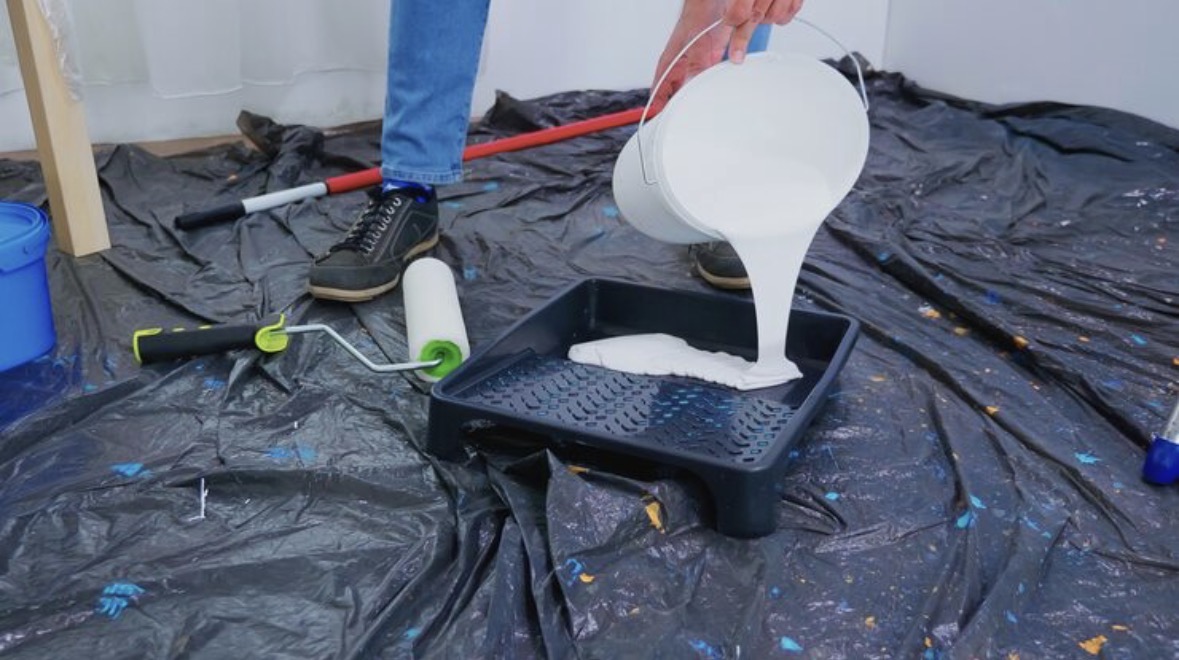
The liquid membrane is applied using airless spray equipment, heavy-nap rollers, or squeegees. Most manufacturers specify a multi-coat process consisting of a base coat and a contrasting topcoat to ensure complete coverage without pinholes. Applying the topcoat perpendicular to the direction of the base coat helps maintain a consistent mil thickness across the entire surface.
Maintenance and Long-Term Care
While elastomeric coatings are exceptionally durable, routine maintenance ensures they perform reliably throughout their design life. Building owners should establish a schedule for biannual inspections, ideally in spring and autumn, as well as immediate checks after major storms.
Inspectors should clear drains, scuppers, and gutters to prevent standing water accumulation. While silicone coatings handle ponding water well, acrylic formulations can soften and re-emulsify if submerged under water for extended periods. Dirt, leaves, and organic debris should be gently washed away, as heavy soil accumulation reduces the solar reflectivity of white topcoats. If localized physical damage occurs from dropped tools or severe hail, the area can be easily repaired by cleaning the damaged spot and applying a fresh patch of compatible elastomeric mastic.
By serving as a resilient, flexible, and energy-efficient shield, elastomeric roof coatings provide a practical alternative to premature roof replacement, protecting structural assets while optimizing long-term maintenance budgets.