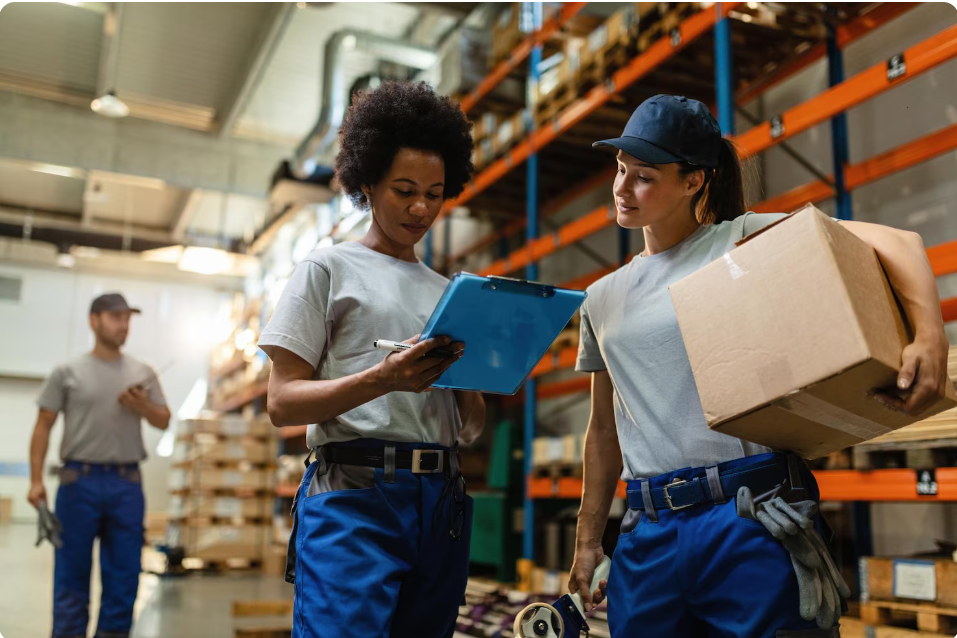
In today’s global economy, products rarely move directly from manufacturer to customer. They travel through complex networks of suppliers, warehouses, ports, and distribution centers, often crossing borders and climate zones before reaching their destination. Throughout this journey, packaging plays a vital role in protecting product integrity, controlling costs, and maintaining operational continuity. A reliable industrial packaging company helps manufacturers navigate these challenges by designing packaging systems that support both protection and efficiency at every stage of the supply chain.
Industrial packaging is not simply about containment. It is an engineered system that must perform under pressure, vibration, compression, and environmental stress. When packaging fails, the consequences can ripple across operations, causing delays, rework, and customer dissatisfaction. When packaging performs well, it becomes a silent enabler of productivity and reliability.
The Strategic Role of an Industrial Packaging Partner
A professional industrial packaging company provides more than boxes, pallets, or wrapping materials. It delivers expertise, engineering, and problem-solving. Packaging specialists work closely with manufacturers to understand product characteristics, shipping routes, handling methods, and storage conditions. They then design solutions that minimize risk while maximizing efficiency.
This partnership approach transforms packaging from a cost center into a strategic asset. By optimizing packaging design, companies can reduce damage rates, improve load stability, and lower transportation expenses. Over time, these improvements result in measurable savings and smoother operations across the entire supply chain.
Packaging partners also help manufacturers standardize processes. Consistent packaging designs simplify training, reduce errors, and support automation. In facilities that rely on high-volume production, even small gains in efficiency can have a significant impact on throughput and profitability.
Engineering Packaging for Real-World Conditions
Industrial packaging must perform in environments that consumer packaging never encounters. Products may face long transit times, multiple handling points, and exposure to heat, cold, moisture, or vibration. Packaging engineers analyze these risks and design systems that address them directly.
They may incorporate cushioning materials to absorb shock, reinforced structures to support weight, or barrier materials to protect against environmental exposure. For metal components, corrosion protection is often critical. For electronics, static control and moisture resistance become priorities. Every element of the packaging system serves a specific purpose in preserving product quality.
Testing and validation play an important role in this process. Packaging systems often undergo compression, vibration, and drop testing to ensure they can withstand real-world shipping conditions. This proactive approach helps manufacturers avoid costly surprises after products leave the facility.
The Importance of Military Specification Packaging
In industries where reliability is non-negotiable, military specification packaging sets the standard for performance and durability. Originally developed for defense applications, these packaging systems protect sensitive equipment during long-term storage, overseas shipment, and extreme handling conditions.
Military specification packaging often combines heavy-duty containers, sealed barrier materials, desiccants, and corrosion inhibitors. These elements work together to ensure that equipment arrives fully functional, even after exposure to harsh environments. While not every shipment requires full military compliance, many commercial industries adopt these principles to protect high-value or mission-critical products.
Aerospace, energy, and advanced manufacturing companies frequently rely on military specification packaging concepts to reduce risk and improve reliability. By applying these proven standards, manufacturers can ensure consistent performance and protect their reputation for quality.
Stretch Wrap as a Critical Component of Load Stability
While engineered containers provide structure, stretch wrap plays a vital role in securing palletized loads. It holds products together, prevents shifting during transit, and protects against dust and moisture. When applied correctly, stretch wrap increases load stability and reduces the risk of damage caused by movement or collapse.
Modern stretch wrap technologies offer improved performance with less material. High-performance films provide excellent load containment while reducing overall plastic usage. This helps companies lower material costs and meet sustainability goals without sacrificing performance.
Stretch wrap also supports efficiency in warehouses and distribution centers. Automated wrapping systems apply consistent tension and coverage, ensuring reliable results with minimal labor. These systems improve throughput, reduce worker fatigue, and create more uniform loads that travel safely through the supply chain.
Packaging and Supply Chain Efficiency
Effective industrial packaging directly improves supply chain efficiency. When packaging dimensions align with pallet sizes and transportation equipment, companies maximize space utilization and reduce freight costs. Well-designed packaging also supports safer handling, reducing the risk of worker injuries and product damage.
In warehouses, consistent packaging simplifies storage and picking. Clear labeling, standardized sizes, and secure wrapping allow workers to move quickly and accurately. This becomes especially important in high-volume operations where speed and accuracy directly impact customer satisfaction.
Packaging also plays a role in inventory management. Durable packaging protects products during long-term storage, while standardized formats make counting, tracking, and auditing more efficient. These benefits help companies maintain accurate inventory levels and reduce shrinkage.
Sustainability and Responsible Packaging Practices
Sustainability has become a major focus for manufacturers and packaging providers alike. Companies seek packaging solutions that reduce waste, lower carbon emissions, and support recycling programs. A forward-thinking industrial packaging company helps customers achieve these goals without compromising performance.
Lightweighting is one of the most effective strategies. By using stronger materials with less mass, companies can reduce both material usage and shipping weight. Right-sizing packaging further reduces waste by eliminating excess space and unnecessary void fill.
Reusable packaging systems also support sustainability, particularly in closed-loop supply chains. Durable containers, pallets, and dunnage can cycle between facilities multiple times, reducing the need for single-use materials. While these systems require careful planning, they often deliver long-term savings and environmental benefits.
Stretch wrap innovation also contributes to sustainability. New films offer higher strength at lower thicknesses, reducing plastic usage while maintaining load stability. These improvements allow companies to meet environmental goals while maintaining reliable packaging performance.
Compliance, Safety, and Risk Management
Industrial packaging must comply with industry regulations, shipping standards, and customer requirements. Packaging for hazardous materials, defense equipment, or international shipments often requires specific materials, labeling, and documentation. Compliance ensures shipments move smoothly through the supply chain without delays or penalties.
Beyond compliance, packaging supports safety and risk management. Strong, well-designed containers reduce the risk of collapse or shifting loads. Proper wrapping prevents products from falling during transit or handling. Clear labeling helps workers identify contents quickly and handle them appropriately.
Traceability also plays a role in risk management. Barcodes, RFID tags, and serialized labels allow companies to track products from origin to destination. This visibility improves accountability and supports quality control efforts throughout the supply chain.
Building Long-Term Value Through Packaging Partnerships
The most successful manufacturers view packaging as a long-term investment rather than a short-term expense. By partnering with an experienced industrial packaging company, they gain access to engineering expertise, testing capabilities, and continuous improvement strategies that deliver ongoing value.
These partnerships allow companies to adapt quickly to changing markets, new products, and evolving regulations. As supply chains become more dynamic, packaging systems must evolve as well. A strong packaging partner provides the flexibility and support needed to stay competitive.
In an era of rising transportation costs, labor shortages, and sustainability demands, packaging has never been more important. Thoughtfully designed systems that incorporate proven methods such as military specification packaging and efficient use of stretch wrap help manufacturers protect their products, streamline operations, and strengthen customer trust. Industrial packaging may work behind the scenes, but its impact on operational success is impossible to ignore.